
Countless stones
A folklore motif about stones that cannot be counted.
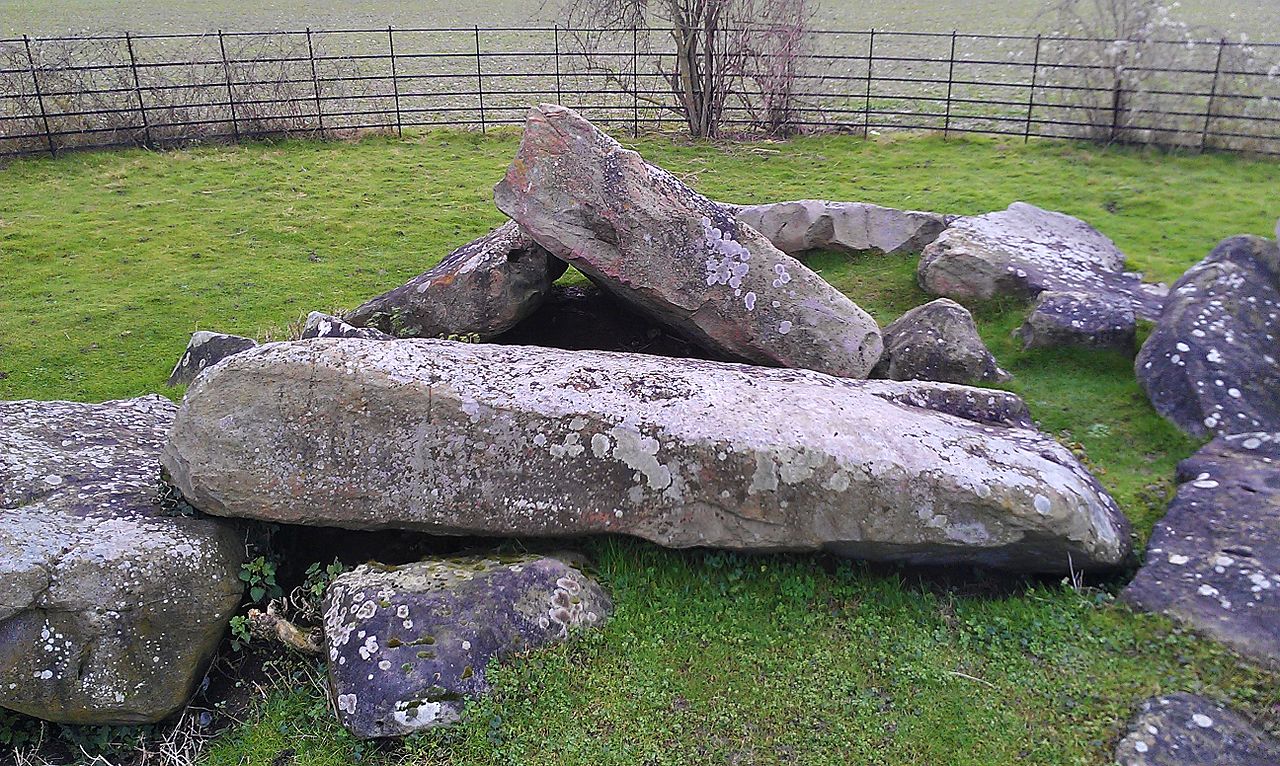
The countless stones is a folklore motif found in England and Wales, linked to prehistoric sites like Neolithic long barrows and Bronze Age stone circles. The core idea is that anyone who tries to count the stones at such a monument will fail.
The earliest written versions of this story date from the late 1500s, when it was tied to Stonehenge in Wiltshire. In the 1600s, the tale was still connected to Stonehenge, but also appeared in relation to The Hurlers in Cornwall and Long Meg and Her Daughters in Cumbria. The motif was analysed by folklorist S. F. Menefee in a 1975 study published in the journal *Folklore*, and was also included in Leslie Grinsell’s catalogue of folklore attached to British prehistoric sites.
The first known text is from Philip Sidney’s *The 7 Wonders of England*, written before 1586, which mentions Stonehenge and the impossibility of counting its stones. Richard Carew’s *The Survey of Cornwall*, published in 1602 but likely written between 1590 and 1594, compares the Stonehenge tradition to one at The Hurlers. In 1604, Scottish poet Alexander Craig referenced the story at Stonehenge in his poem “To His Calidonian Mistris.” William Rowley’s play *The Birth of Merlin*, published in 1662 but probably written forty or fifty years earlier, also mentions it.
When King Charles II visited Stonehenge on 7 October 1651, he counted the stones, and Colonel Robert Phelips remarked that the king’s arithmetic disproved “that fabulous tale.” Around the same time, others like Inigo Jones, John Evelyn, and Samuel Pepys also counted the stones, showing they knew the story. Celia Fiennes recorded the tale in her journal around 1690 after visiting Stonehenge, and elsewhere noted it among locals near Long Meg and Her Daughters.
Menefee divided the stories into three subtypes, which he said should not be seen as rigid: that the stones could move on their own, that the difficulty came from “the Devil’s tricks,” or that “there is some sort of spell on them.”
Ethan Doyle White argued that at the Rollright Stones, the countless stones motif influenced mid-20th-century Wiccan practitioners. He noted that Wiccans like Doreen Valiente knew the site’s folklore, which helped shape their choice of the monument as a sacred space for their rituals by the late 1950s.
A list of sites linked to the motif, drawn from Grinsell, includes: Stonehenge (1586), The Hurlers
- earliest_textual_reference
- 1586 (Philip Sidney's The 7 Wonders of England)
- associated_monuments
- Stonehenge, The Hurlers, Long Meg and Her Daughters, and others
- key_study
- S. F. Menefee (1975) in Folklore journal
- catalogue
- Leslie Grinsell's catalogue of folkloric motifs
- subtypes
- Stones move at will; Devil's tricks; spell on them
Lore & Background
The earliest textual account of the countless stones motif dates from the late sixteenth century, linked to Stonehenge in Wiltshire. Philip Sidney's The 7 Wonders of England, written before 1586, states: 'Neere Wilton sweete, huge heapes of stones are found, But so confusde that neither any eye, Can count them just.' Richard Carew's The Survey of Cornwall (published 1602, authored 1590–94) compared the tradition at Stonehenge with that at The Hurlers in Cornwall. The Scottish poet Alexander Craig referenced the story in 1604, and William Rowley's play The Birth of Merlin (published 1662, likely authored 40–50 years earlier) also mentions it.
Reader's Guide
The countless stones motif appears in multiple seventeenth-century sources, applied to Stonehenge, The Hurlers, and Long Meg and Her Daughters. In 1651, King Charles II counted the stones at Stonehenge, and Colonel Robert Phelips noted that 'the King's Arithmetike gave the lye to that fabulous tale.' Other individuals such as Inigo Jones, John Evelyn, and Samuel Pepys also counted the stones, suggesting familiarity with the story. Celia Fiennes recorded the tale at Stonehenge around 1690 and among locals near Long Meg and Her Daughters. Folklorist S. F. Menefee divided the tales into three subtypes: stones moving at will, the Devil's tricks, and a spell on them. The motif influenced Wiccan practitioners at the Rollright Stones in the mid-20th century, as noted by Ethan Doyle White.
Did You Know?
- The earliest textual reference is from Philip Sidney's The 7 Wonders of England, written before 1586.
- King Charles II counted the stones at Stonehenge in 1651, disproving the tale according to Colonel Robert Phelips.
- The motif was applied to at least ten megalithic sites, including Stanton Drew and the Rollright Stones.
- S. F. Menefee's 1975 study in Folklore journal divided the tales into three subtypes.
Roots in Early Modern Literature
The countless stones motif is a narrative thread woven through English and Welsh folklore, tethered to megalithic monuments ranging from Early Neolithic chambered long barrows to Late Neolithic and Early Bronze Age stone circles. At its heart lies a simple, unsettling premise: no person who attempts to count the stones in such a monument can ever succeed. The earliest surviving written trace of this belief appears in Philip Sidney's The 7 Wonders of England, composed before 1586, where he describes the jumbled heaps near Wilton as so confused that no eye can count them just. By 1602, Richard Carew's The Survey of Cornwall extended the tradition beyond Wiltshire, pairing Stonehenge with The Hurlers near Liskeard. A 1604 poem by Scottish writer Alexander Craig and the play The Birth of Merlin, published in 1662 but likely written decades earlier, both returned to the Stonehenge variant, cementing the motif in the literary imagination of the period.
Kings, Scholars, and the Counting Quest
The legend gained a peculiarly tangible dimension in the mid-seventeenth century when actual visitors to Stonehenge took up the challenge of counting its stones. On 7 October 1651, King Charles II made the attempt, and his companion Colonel Robert Phelips quipped that the monarch's arithmetic gave the lye to that fabulous tale, effectively debunking the story in a single afternoon. Yet the episode clearly sparked a wave of imitators: Inigo Jones, John Evelyn, and Samuel Pepys all set about tallying the stones around the same period, each apparently well acquainted with the folklore that made the task seem impossible. Decades later, around 1690, the traveler Celia Fiennes recorded the story at Stonehenge and, notably, also encountered it among local people near Long Meg and Her Daughters in Cumberland. This geographic spread, from Wiltshire to Cornwall to the northern counties, demonstrates that the motif was not a single local curiosity but a widespread folkloric thread binding multiple prehistoric sites across the British landscape.
Taxonomy and Folkloric Scholarship
In 1975, folklorist S. F. Menefee published a dedicated study of the countless stones narrative in the journal Folklore, offering a structured framework for understanding the tale's variations. Menefee identified three principal sub-types: accounts in which the stones themselves shift and move at will; versions attributing the counting difficulty to the Devil's tricks; and tellings that invoke some kind of spell placed upon the stones. Crucially, Menefee cautioned that these categories should not be treated as rigid or mutually exclusive, but rather as analytical divisions that illuminate the belief as a whole. The motif also featured in Leslie Grinsell's broader catalogue of folkloric associations attached to prehistoric sites across Britain, situating the countless stones story within a wider tapestry of legends connected to megalithic monuments. Together, these scholarly efforts transformed a scattered collection of local sayings into a recognizable and studyable folkloric tradition.
Sacred Stones in the Modern Age
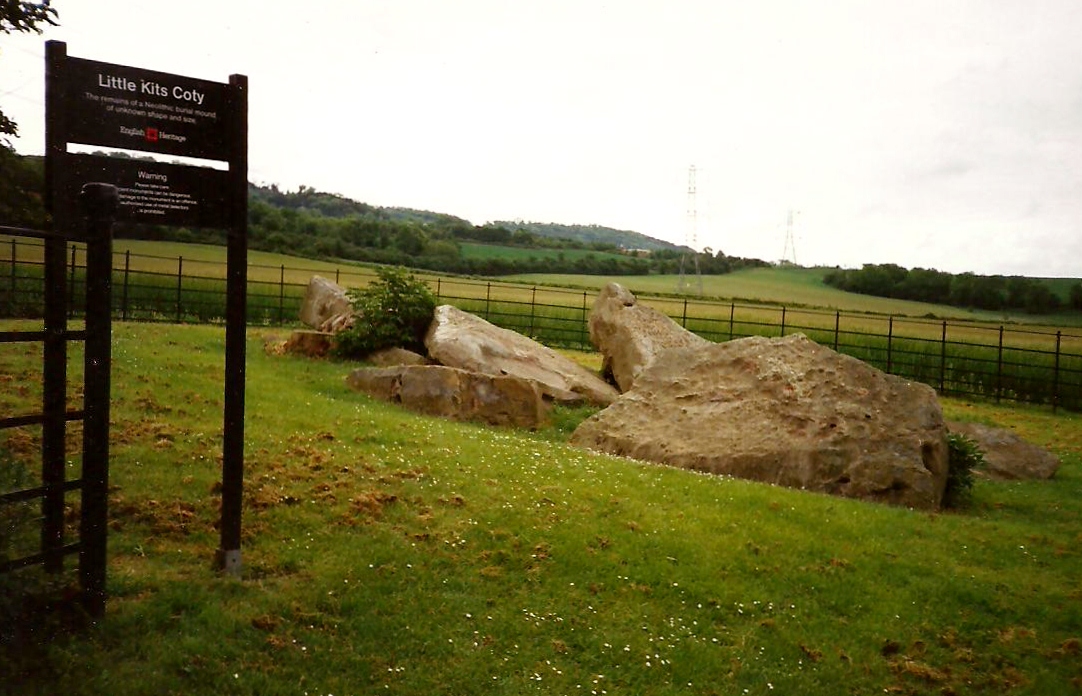
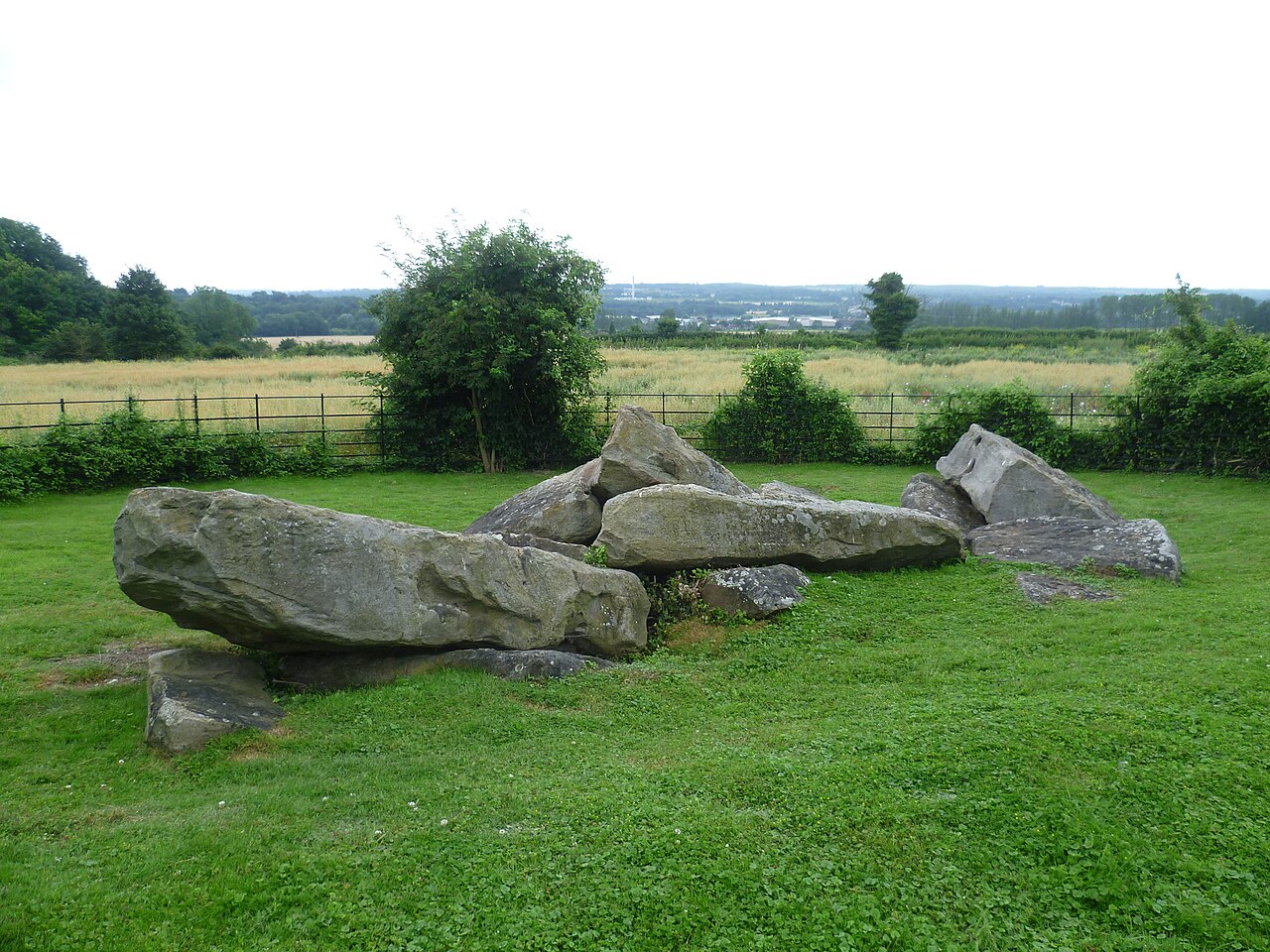
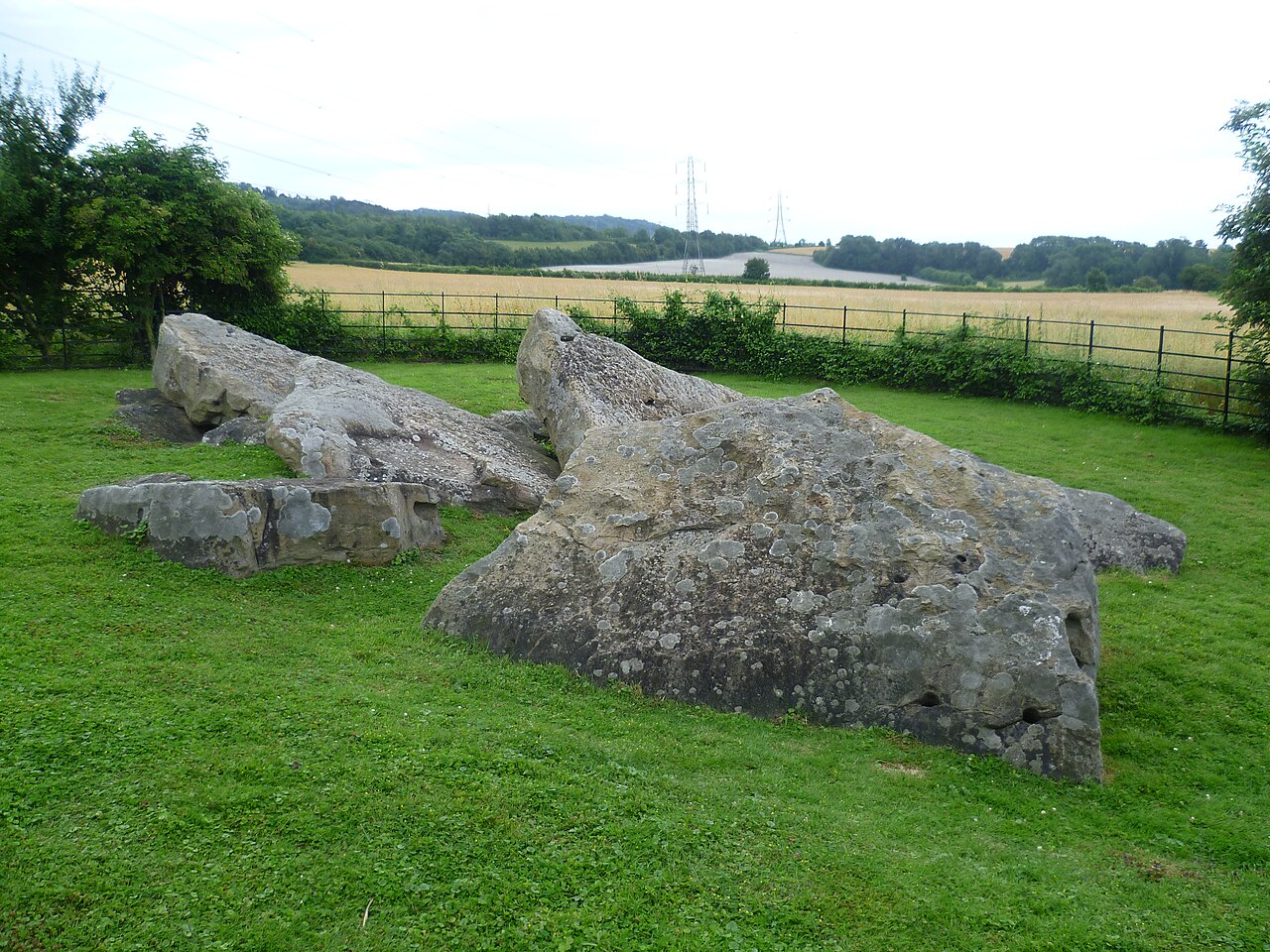
The countless stones motif did not remain confined to antiquarian curiosity; it actively shaped religious practice in the twentieth century. Scholar Ethan Doyle White has argued that at the Rollright Stones in Oxfordshire, the folklore surrounding the site's uncountable stones influenced practitioners of Wicca, the contemporary Pagan religion, during the mid-twentieth century. Figures such as Doreen Valiente were aware of the local legend and, according to Doyle White, this awareness played a role in their decision to select the prehistoric monument as a sacred ground for their own magico-religious ceremonies, which were being conducted there by the late 1950s. The motif's reach across centuries is further illustrated by the range of sites to which it has been attached, from Stonehenge in 1586 to Coldrum Long Barrow in Kent in 1946, and including locations in Cornwall, Cumbria, Kent, Oxfordshire, Cardiganshire, and Carmarthenshire, some of which, like Y Naw Carreg, were destroyed before the legend could be fully documented.
Gallery
Frequently Asked Questions
What is the 'Countless stones' motif in British folklore?
It is a recurring English and Welsh folk tradition in which anyone who tries to tally the stones at a prehistoric monument—whether a Neolithic long barrow or a Bronze Age circle—will always fail to reach a correct total. The idea ties the physical landscape to a sense of the numinous and ungraspable.
Where does the 'Countless stones' tale first appear in writing?
The earliest known textual reference is from 1586, when Philip Sidney wove the uncountable-stones idea into his work *The 7 Wonders of England*, specifically attaching it to Stonehenge in Wiltshire.
Which real monuments are linked to the 'Countless stones' legend?
Beyond Stonehenge, the motif has been recorded in connection with The Hurlers in Cornwall and Long Meg and Her Daughters in Cumbria, and it appears alongside other prehistoric sites across the British Isles.
What subtypes or variations exist within the 'Countless stones' tradition?
Folklorists have identified several branches: versions where the stones shift position on their own, tales in which the Devil plays tricks on the would-be counter, and accounts where a spell has been laid over the stones to make numbering impossible.
Why is 'Countless stones' important to folklore scholarship?
The motif was included in Leslie Grinsell's catalogue of British folkloric themes, and it received dedicated academic treatment when S. F. Menefee published a study of it in the *Folklore* journal in 1975.
More in British folklore 1-24
Spotted an error? Know more?
This is a living reference — every entry is fact-audited, and reader corrections feed straight into our audit queue. Suggest an edit · See this site's audit record