
John Bull
National personification of England in political cartoons.

Wikipedia / Wikimedia Commons
John Bull is a symbolic figure representing England, most commonly found in political cartoons and illustrations. He typically appears as a stout, middle-aged, cheerful, and practical country dweller. First created in early-18th-century satire, he eventually became a symbol of English liberty against revolutionary forces. His popularity spanned the 18th and 19th centuries, but after the First World War he largely ceased to be viewed as a figure of the ordinary person. Occasionally, he also stands for Great Britain.
The character was invented by John Arbuthnot, an associate of Jonathan Swift and Alexander Pope, as a satirical device. Bull debuted in 1712 in Arbuthnot’s pamphlet *Law is a Bottomless Pit*, followed that same year by the four-part narrative *The History of John Bull*. This allegory targeted the War of the Spanish Succession: Bull sues characters representing the French and Spanish kings (Louis Baboon and Lord Strutt), along with various institutions. The work was chiefly an attack on the Whigs, their foreign policy, and the financiers profiting from the war. In Arbuthnot’s version, John Bull personifies England, while his sister Peg represents Scotland.
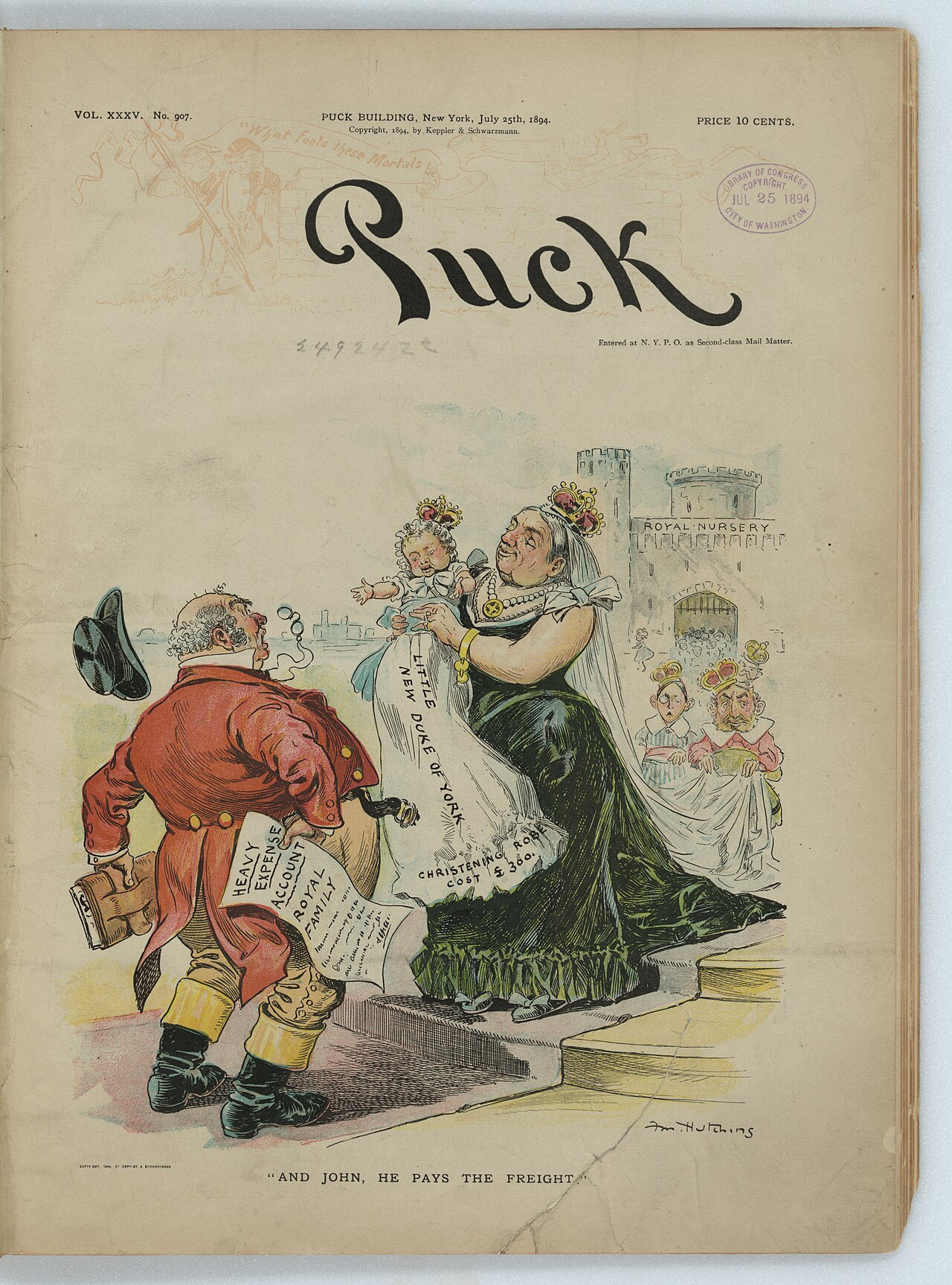
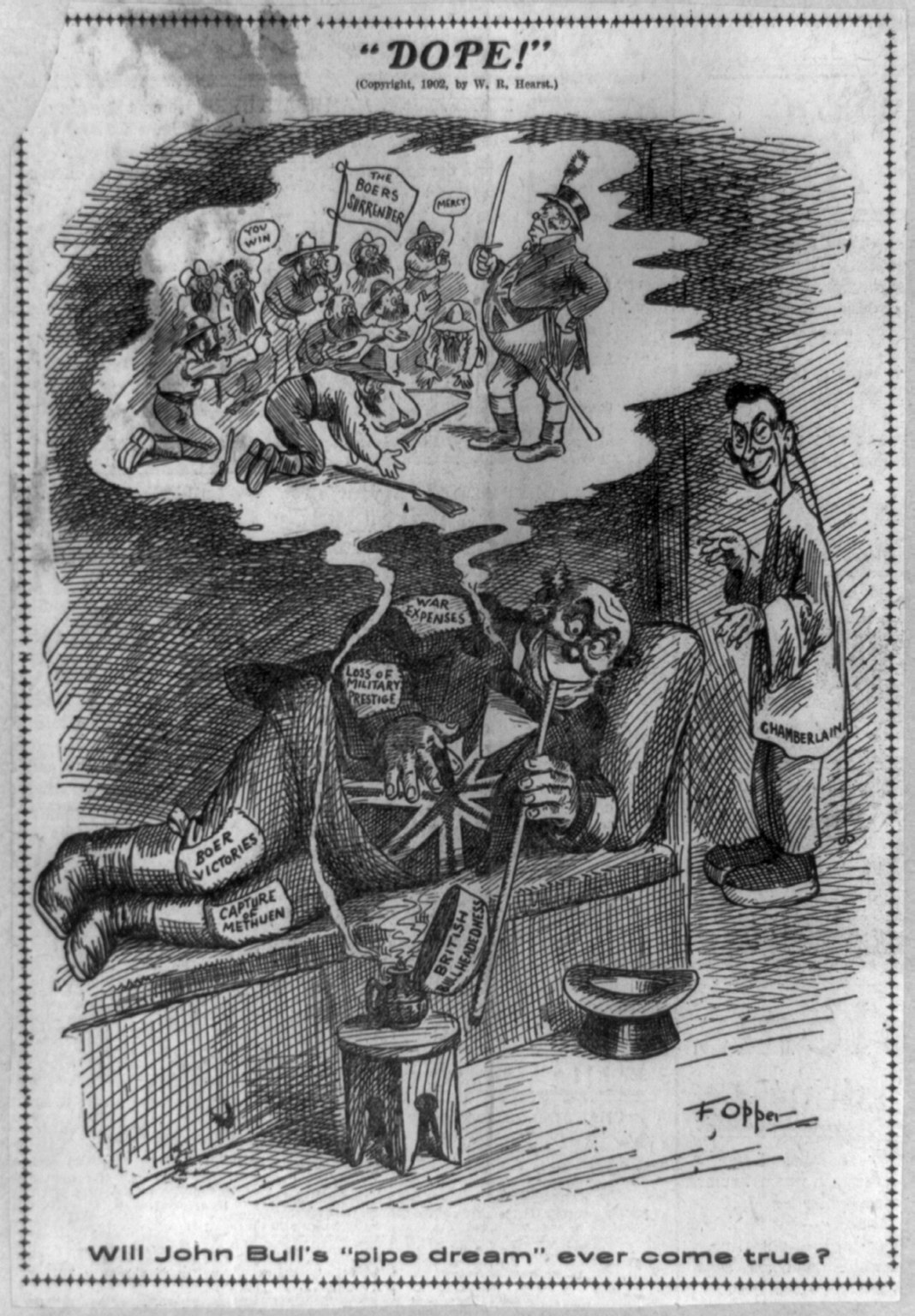
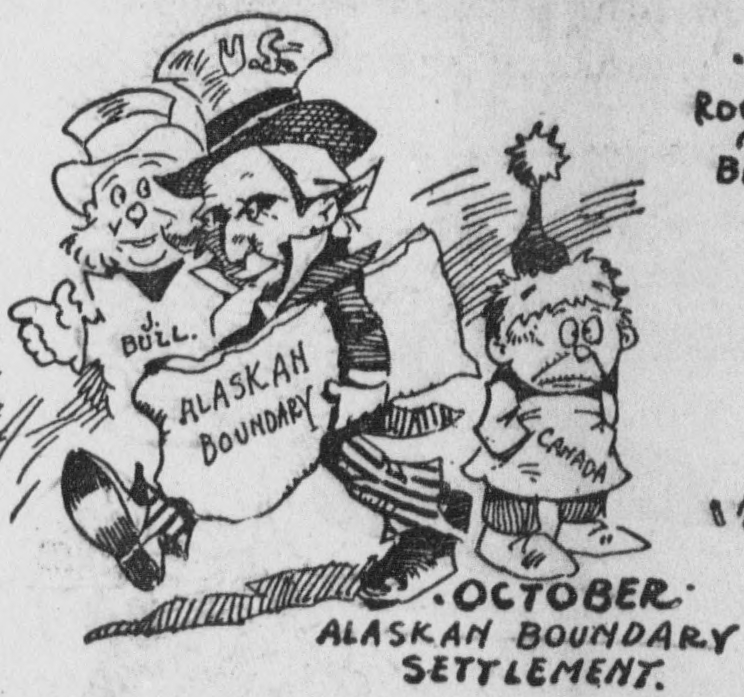
William Hogarth and other British writers transformed Bull from a derided figure into a heroic archetype of the freeborn Englishman. Later, illustrators and writers abroad—such as American cartoonist Thomas Nast and Irish author George Bernard Shaw (who wrote *John Bull’s Other Island*)—helped spread the image. From the 1760s, Bull was portrayed as an Anglo-Saxon country dweller, almost always wearing a waistcoat and a simple frock coat (originally navy blue, later in Union Jack colours). Britannia or a lion sometimes replaces him in editorial cartoons.
As a literary figure, John Bull is well-meaning, frustrated, commonsensical, and thoroughly native. Unlike Uncle Sam, he is not an authority figure but a yeoman who prefers small beer and domestic peace, lacking patriarchal power or heroic defiance. Arbuthnot gave him a sister, Peg (Scotland), and a traditional enemy, Louis Baboon (the French House of Bourbon). Peg continued to appear in art beyond the 1700s, but the other original characters faded. John Bull himself remained a frequent national symbol in posters and cartoons until the First World War.
Visually, Bull is a stout man in a tailcoat, light-coloured breeches, and a shallow-crowned
- field
- National personification, political satire
- nationality
- English (sometimes representing Great Britain)
- known_for
- Symbol of England in political cartoons; created by John Arbuthnot in 1712
Lore & Background
John Bull originated as a satirical character created by John Arbuthnot, a friend of Jonathan Swift and Alexander Pope. Bull first appeared in 1712 in Arbuthnot's pamphlet Law is a Bottomless Pit. The same year Arbuthnot published a four-part political narrative The History of John Bull. In this satirical treatment of the War of the Spanish Succession, John Bull brings a lawsuit against various figures intended to represent the kings of France (Louis Baboon) and Spain (Lord Strutt), as well as institutions both foreign and domestic. The allegory was intended primarily as attack against the Whigs, their foreign policy and their financiers who were profiting from the war. In Arbuthnot's work John Bull personifies England while his sister Peg symbolises his native Scotland.
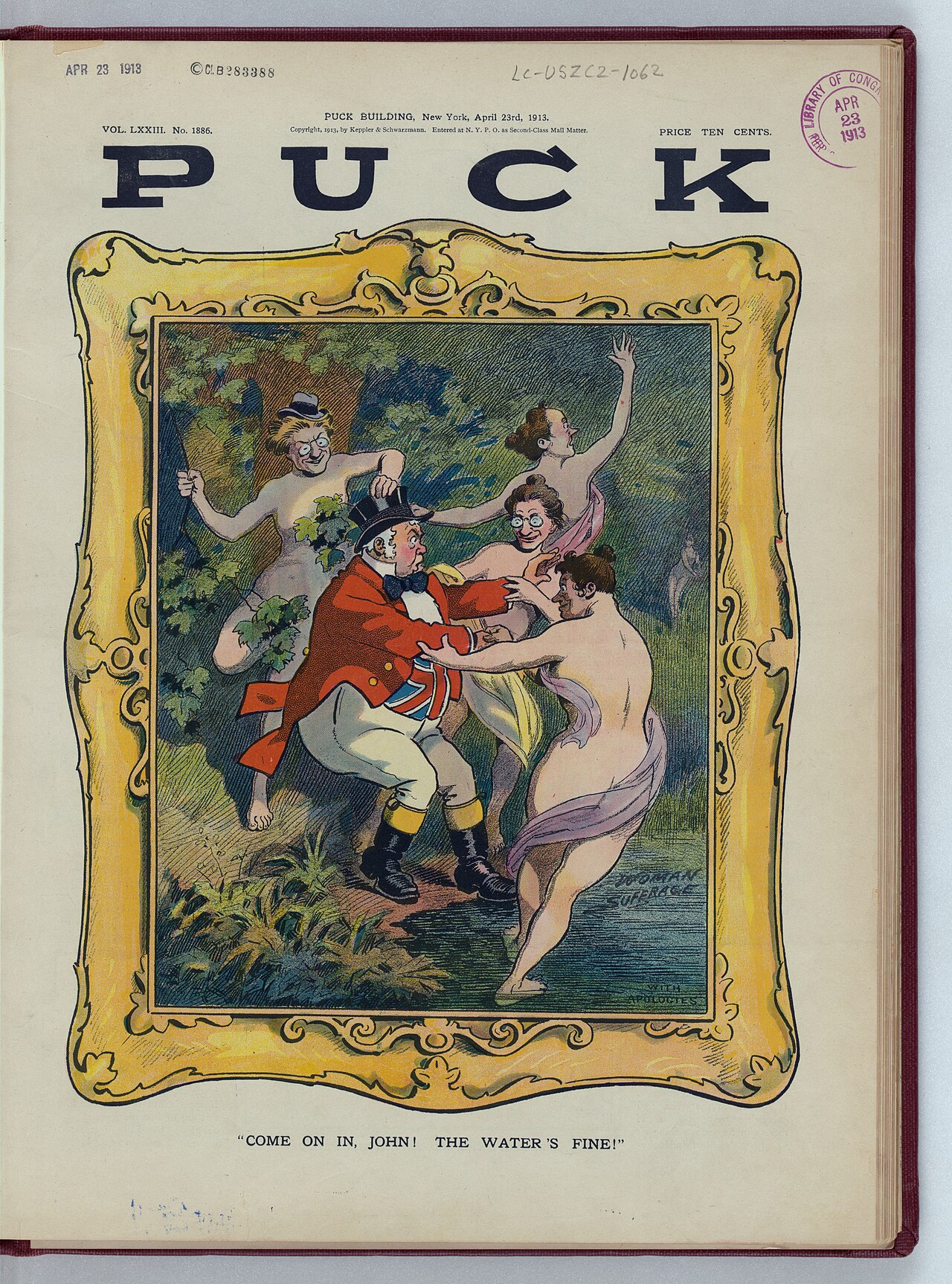
William Hogarth and other British writers made Bull, originally derided, 'a heroic archetype of the freeborn Englishman.' Later, the figure of Bull was disseminated overseas by illustrators and writers such as the American cartoonist Thomas Nast and the Irish writer George Bernard Shaw, author of John Bull's Other Island. Starting in the 1760s Bull was portrayed as an Anglo-Saxon country-dweller. He was almost always depicted in a waistcoat and a simple frock coat (in the past navy blue, but more recently with the Union Jack colours). Britannia, or a lion, is sometimes used as an alternative in some editorial cartoons.
As a literary figure, John Bull is well-intentioned, frustrated, full of common sense, and entirely of native country stock. Unlike Uncle Sam later, he is not a figure of authority but rather a yeoman who prefers his small beer and domestic peace, possessed of neither patriarchal power nor heroic defiance. Arbuthnot provided him with a sister named Peg (Scotland), and a traditional adversary in Louis Baboon (the House of Bourbon in France). Peg continued in pictorial art beyond the 18th century, but the other figures associated with the original tableau dropped away. John Bull himself continued to frequently appear as a national symbol in posters and cartoons as late as the First World War.
Reader's Guide
John Bull's significance lies in his long tenure as a visual and literary symbol of English national identity, particularly in political satire. Created by John Arbuthnot in 1712 as a satirical attack on Whig foreign policy, Bull evolved from a derided figure into a heroic archetype of the freeborn Englishman, thanks to William Hogarth and other writers. His depiction as a stout, jolly, country-dwelling man in a tailcoat and top hat became standardized by the late 18th century, often contrasted with the French revolutionary sans-culottes. Bull's legacy includes his use in editorial cartoons through the 19th and early 20th centuries, and his dissemination abroad by figures like Thomas Nast and George Bernard Shaw. However, by the First World War, he was increasingly seen as not representative of the common man, replaced in that role by Tommy Atkins and later by Sidney Strube's Little Man. A more negative portrayal appeared in the cartoons of Egyptian nationalist Yaqub Sanu, who depicted Bull as a drunken, ignorant bully. Despite his decline, John Bull remains a recognizable symbol of England and, sometimes, Great Britain, and his name is reminiscent of the English fondness for beef, reflected in the French nickname 'les rosbifs'.
Did You Know?
- John Bull first appeared in 1712 in John Arbuthnot's pamphlet Law is a Bottomless Pit.
- The character was originally created as a satirical attack on the Whigs and their foreign policy during the War of the Spanish Succession.
- John Bull is usually depicted as a stout man in a tailcoat with light-coloured breeches and a top hat, often accompanied by a bulldog.
- A negative portrayal of John Bull appeared in cartoons by Egyptian nationalist Yaqub Sanu, depicting him as a drunken, ignorant bully.
Literary Origins and Political Satire
John Bull was born in 1712 from the pen of John Arbuthnot, a satirist who moved in the same literary circles as Jonathan Swift and Alexander Pope. His debut came in a pamphlet titled Law is a Bottomless Pit, followed that same year by a four-part political narrative called The History of John Bull. In this allegorical work, Bull wages a lawsuit against figures representing the French and Spanish crowns—Louis Baboon and Lord Strutt—while the broader target was the Whig party, their foreign policy, and the financiers profiting from the War of the Spanish Succession. Arbuthnot cast Bull as a personification of England and gave him a sister, Peg, who stood for Scotland. The other characters from this original tableau faded from popular memory, but Bull endured, eventually transforming from a figure meant to be mocked into what later writers and artists would elevate into a heroic archetype of the freeborn Englishman.
Visual Identity and Costume Evolution
The visual language of John Bull shifted considerably across two centuries. In the Georgian period, he wore a red waistcoat and a royal blue tailcoat paired with buff or white breeches—a palette that echoed the blue-and-buff colors associated with Whig politics, the very faction Arbuthnot had intended to lampoon. By the twentieth century, his waistcoat almost invariably bore the Union Flag, and his coat settled into a darker blue, though the overall silhouette still recalled Regency-era fashion. His headwear, a shallow-crowned top hat sometimes called a John Bull topper, signaled his middle-class identity, and a bulldog frequently accompanied him in illustrations. Starting in the 1760s, artists settled on portraying him as a stout, country-dwelling Anglo-Saxon figure. In editorial cartoons of the 19th and early 20th centuries, he was often set against a scrawny French revolutionary sans-culottes, a visual contrast codified by satirists like James Gillray, Thomas Rowlandson, and Isaac Cruikshank from around 1790 onward.
Cross-Border Reach and Cultural Resonance
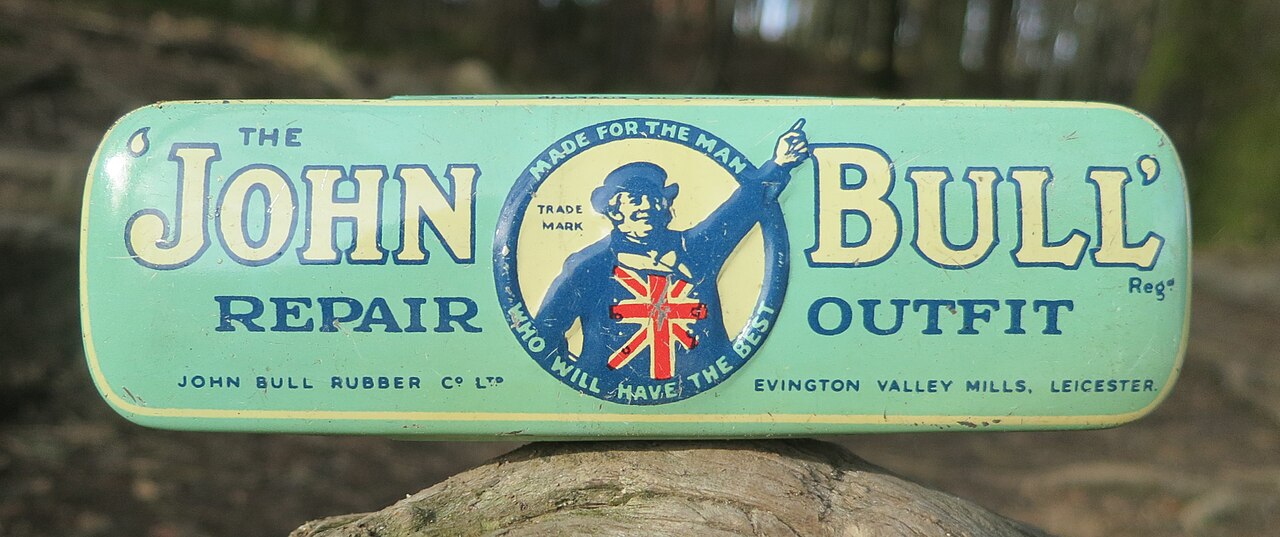
John Bull's influence stretched well beyond the British Isles. The American cartoonist Thomas Nast helped disseminate the figure overseas, while the Irish playwright George Bernard Shaw wove him into the narrative of John Bull's Other Island. Washington Irving devoted an entire chapter of The Sketch Book to a literary portrait of Bull, describing him as a plain, straightforward fellow whose nature held more strong natural feeling than romance, who excelled in humour over wit and who could be moved to a sudden tear or a broad laugh with equal ease. The figure also found its way into commercial advertising campaigns over the decades. Even in the realm of fashion, the singer David Bowie donned a coat styled after Bull's traditional attire. In British editorial cartoons spanning the 19th and early 20th centuries, Bull remained a ubiquitous presence, serving as a shorthand for the English national character in both celebratory and critical contexts.
Decline and the Search for a New National Face
The First World War marked a turning point in John Bull's symbolic life. Increasingly, the public ceased to see him as a true representative of the common man, and the role of national personification was largely handed to the soldier figure Tommy Atkins. In the interwar years, cultural critic Alison Light observed that Britain had moved away from formerly heroic public rhetorics of national destiny toward a more inward-looking, domestic, and private sense of Englishness. In this new climate, the suburban Little Man created by Sidney Strube supplanted Bull as the nation's face. Some commentators, including W. H. Auden in his 1937 poem Letter to Lord Byron, read this substitution as a symbolic marker of Britain's post-war decline. Meanwhile, in Egypt, the nationalist journalist Yaqub Sanu had already offered a sharply negative counter-image, depicting Bull in his underground newspaper Abu-Naddara Zarqa as a coarse, drunken bully who plundered Egyptian wealth and hilariously mangled the French language of the local elite.
Gallery
Frequently Asked Questions
Who is John Bull?
John Bull is a national personification of England that appears primarily in political cartoons and satirical illustrations. He is not a mythological hero but a symbolic figure standing in for the English nation.
Who created John Bull and when?
The character was devised by John Arbuthnot, a literary associate of Jonathan Swift, in 1712 as part of early-18th-century political satire.
How is John Bull typically depicted?
He is usually drawn as a stout, middle-aged, cheerful countryman who embodies practicality and good humour. His appearance evokes the ordinary English rural dweller rather than a noble or warrior figure.
What political role did John Bull play in the 18th and 19th centuries?
He became a widely recognised emblem of English liberty, particularly in opposition to revolutionary forces. His image dominated political cartoons across both centuries as a stand-in for the nation's character and interests.
Why did John Bull fade from public consciousness?
After the First World War, the figure gradually stopped being associated with the ordinary person in the public imagination. His popularity, which had thrived for roughly two centuries, largely declined in the early 20th century.
More in British folklore 1-24
Spotted an error? Know more?
This is a living reference — every entry is fact-audited, and reader corrections feed straight into our audit queue. Suggest an edit · See this site's audit record